What moss carpet is
Moss carpet is a thin, floor-level block in Minecraft that looks like a soft green mat. It sits one pixel above the surface it’s placed on, the same height as a wool carpet. The block was added in version 1.17 (Caves and Cliffs Part I) alongside moss blocks, azalea, and the rest of the lush cave kit.
Visually it’s a low patch of mossy ground. Functionally it’s a decoration item. Moss carpet has no special behavior beyond looking like moss without taking up a full block of vertical space, which makes it useful for natural-looking floors and accents.
The block has no tool requirement. You can break it instantly with your hand. A hoe is the fastest tool if you want to clear a lot of it at once.
Where to find moss carpet
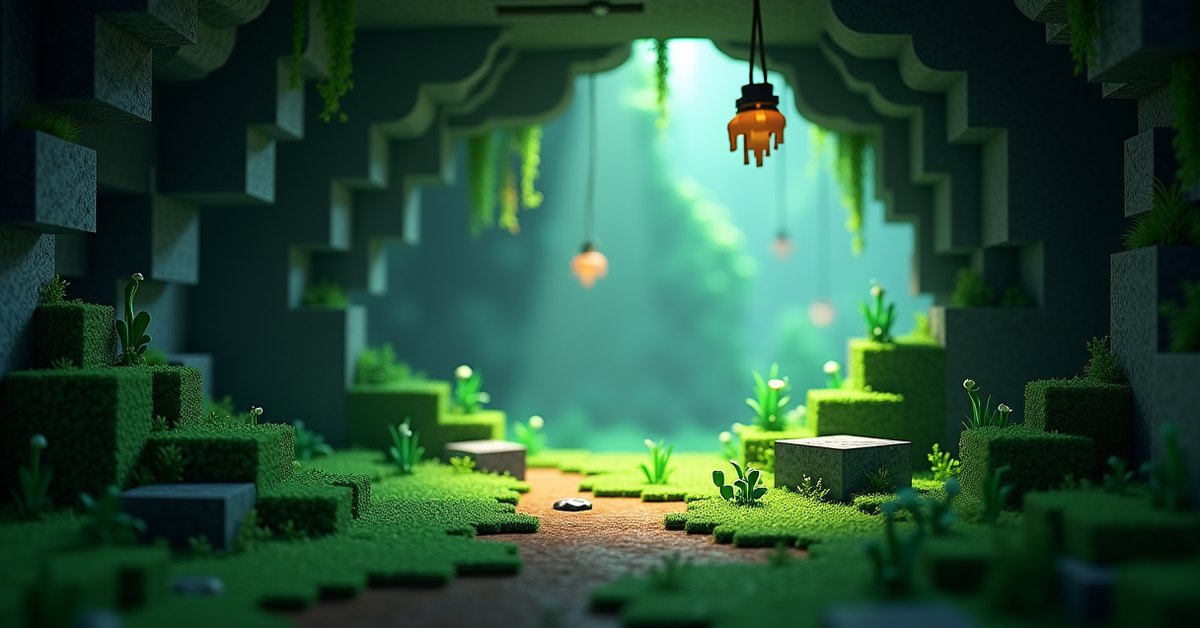
Moss carpet generates naturally in lush caves, scattered across the cave floor among moss blocks, azalea bushes, and dripleaf plants. Lush caves themselves spawn underground anywhere an azalea tree grows on the surface, so the easiest way to find one is to look for the small azalea trees on grassy biomes and dig straight down beneath them.
Inside a lush cave, moss carpet shows up on top of moss blocks, dirt, gravel, and other flat surfaces. Pick the patches that already look like carpet rather than full moss blocks. Mining those gives you the carpet directly, no crafting needed.
Wandering traders also sometimes sell moss blocks, which you can craft into carpet. If you don’t want to dig for lush caves, that trade is a viable shortcut.
How to craft moss carpet
Moss carpet has a simple crafting recipe. Place two moss blocks side by side in a horizontal row in a crafting table. The output is three moss carpets per craft. The pattern is the same shape as the wool to wool carpet recipe.
To get moss blocks for that recipe, you have a few options:
- Mine them from a lush cave with any tool. A hoe is fastest.
- Trade with a wandering trader, who occasionally sells moss blocks.
- Bone meal an existing moss block. The moss spreads onto nearby stone, dirt, and other surfaces, giving you more moss blocks to mine.
The bone meal trick is the renewable method. One moss block plus enough bone meal effectively gives you an unlimited supply, since the spread converts surrounding ground into more moss.
Placement and behavior
Moss carpet behaves like wool carpet for most purposes. It sits flat on top of any full solid block, and the player and mobs walk over it without losing height. The block is one pixel tall, so it doesn’t block movement and doesn’t change line of sight.
You can stack moss carpet over almost any block: dirt, stone, glass, wood, even other carpets are fine. It won’t sit on top of fences or walls because those are taller in the middle, but you can place it on top of slabs and stairs as long as the upper face is flat.
Light passes through moss carpet, so it doesn’t darken builds the way a full block would. That makes it useful for green roofs over glass ceilings or skylights, where you want the texture without losing the light.
One small mechanic to know: moss carpet is purely cosmetic. It doesn’t reduce fall damage and doesn’t change the gameplay rules of the block underneath. If you’re building a redstone contraption that depends on mobs walking on a non-solid surface, moss carpet works the same way as a regular carpet for that purpose.
Moss carpet is also a passive block for redstone. It doesn’t power circuits, doesn’t trigger pressure plates underneath, and doesn’t conduct signals. Place it freely around redstone contraptions without worrying about side effects.
Combining moss carpet with other lush cave blocks
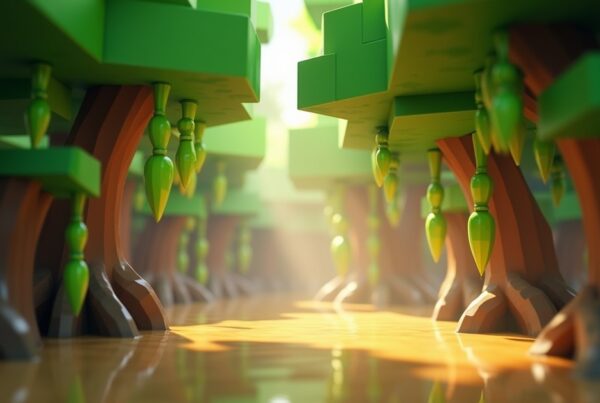
Moss carpet works best when it shares a build with the rest of the lush cave kit. Pair it with hanging spore blossoms above for a glow effect, surround it with azalea leaves for texture variety, and let small dripleaf grow along the edges of waterlogged patches. The combination reads as a real ecosystem rather than a decorative repeat.
Glow lichen pairs well with moss carpet on stone walls. Both are flat and add green to surfaces that would otherwise look plain. A dim room with glow lichen on the walls and moss carpet on the floor reads like a hidden grotto without needing a single torch.
Decorative uses
Moss carpet is useful in builds because it gives you mossy ground without the full block height. A few common uses:
- Forest floors. Lay moss carpet over coarse dirt, podzol, or grass blocks to make a wild, overgrown look without painting every patch in full moss.
- Ruined buildings. Drop strips of moss carpet across cobblestone or mossy cobblestone floors to suggest a structure that’s been abandoned for a long time.
- Path edges. Use thin strips of moss carpet along the sides of stone paths to soften the line where the path meets the grass.
- Cave bases. If your base is built inside a stone or deepslate cavern, moss carpet on the floor adds color and breaks up the gray.
- Roofs and ledges. Place it on top of stone or wood roofs for a green, weathered look that doesn’t add extra vertical bulk.
For builders who mix mossy textures, moss carpet plays well with moss blocks, mossy cobblestone, vines, and small dripleaf. The block ties those textures together because it sits below eye level and reads as ground cover.
Pale moss carpet
The pale garden update added a second variant called pale moss carpet, which works the same way but uses the muted gray-green palette of the pale garden biome. If you’re building anything that leans into the pale aesthetic, that variant is the better fit. Pale moss carpet generates naturally in pale gardens and crafts the same way from pale moss blocks: two pale moss blocks side by side give three pale moss carpets.
Both moss carpets are decorative only. Neither has unique gameplay effects beyond the visual.
Tips and common mistakes
A few things people get wrong when they first start using moss carpet:
- Don’t bone meal moss carpet expecting it to spread. Moss carpet itself doesn’t grow. The spreadable item is the moss block, which you bone meal to convert nearby surfaces into more moss. Carpet is a finished decoration.
- If you want a renewable supply, plant one moss block somewhere flat and keep bone mealing it. Mine the moss blocks it produces, then craft carpet two-by-one as needed.
- Use a hoe. Hand breaking is fine for a few pieces, but a hoe makes a noticeable difference if you’re clearing the floor of a lush cave.
- Stack with patience. Moss carpet sits on a full block, not on itself, so you can’t pile it up. If you want a thicker green floor, alternate moss blocks and moss carpet rather than trying to layer carpet on carpet.
- Watch your slab edges. Top-half slabs and bottom-half slabs both accept moss carpet on their upper face, but a bottom-half slab puts the carpet at half block height, which can throw off path alignment if you didn’t plan it.
Frequently asked questions
Can you bone meal moss carpet?
No. Bone meal does nothing to moss carpet directly. To spread moss, bone meal a moss block instead. The moss block converts nearby blocks like stone, dirt, and deepslate into more moss, which you can then craft into carpet.
Does moss carpet stop mob spawning?
Carpets are commonly used to suppress mob spawning on dark blocks, and moss carpet behaves the same way as wool carpet for that purpose. Reliability varies by mob and version, so light remains the most consistent way to stop spawns.
Can you put torches on moss carpet?
No. Torches need a solid top surface, which moss carpet doesn’t have. You can still place a torch on the solid block beside or below the carpet without issue.
Is moss carpet renewable in survival?
Yes. Plant a moss block on stone or dirt, then bone meal it. The moss spreads to nearby blocks. Mine the new moss blocks, craft them into carpet two-by-one, and repeat. One starter moss block is enough to keep producing carpet forever.
How tall is moss carpet?
One pixel, or 1/16 of a block. It’s the same height as a regular wool carpet and fits anywhere a thin floor block fits.
Can you craft moss carpet from grass blocks?
No. The recipe specifically requires moss blocks. Grass blocks, podzol, mycelium, and other green-textured ground blocks won’t substitute.
What’s the difference between a moss block and moss carpet?
A moss block is a full cubic block of moss that you can stand on, place blocks on top of, and bone meal to spread the moss across nearby surfaces. A moss carpet is the same texture but only one pixel tall, placed on top of an existing block as a decoration. The block builds structure, the carpet decorates a surface.
One last thing
Moss carpet is one of those small additions that quietly changes how builds look. If you’re working in a lush cave or building a forest scene, set aside a stack of carpet before you start placing walls. The flat, low ground cover gives you a way to suggest age and overgrowth without committing to a full block of moss. That single design lever is worth more than the recipe cost.