The pitcher plant is one of the rarest decorative plants in Minecraft. It is a two-block-tall flower added in the 1.20 Trails & Tales update, and you cannot find it growing anywhere in the world. The only way to get one is to grow it yourself, starting from a seed that a sniffer digs out of the ground.
That makes the pitcher plant more of a project than a quick pickup. You need a sniffer, you need the right blocks for it to dig on, and you need patience while the crop matures. This guide walks through the whole chain, from getting the pitcher pod to placing the finished plant in a build.
One thing worth knowing up front: bone meal does nothing to a pitcher crop. If you have grown wheat or carrots before, you will expect to speed it along. That trick does not work here, and it catches a lot of players off guard.
What is the pitcher plant?
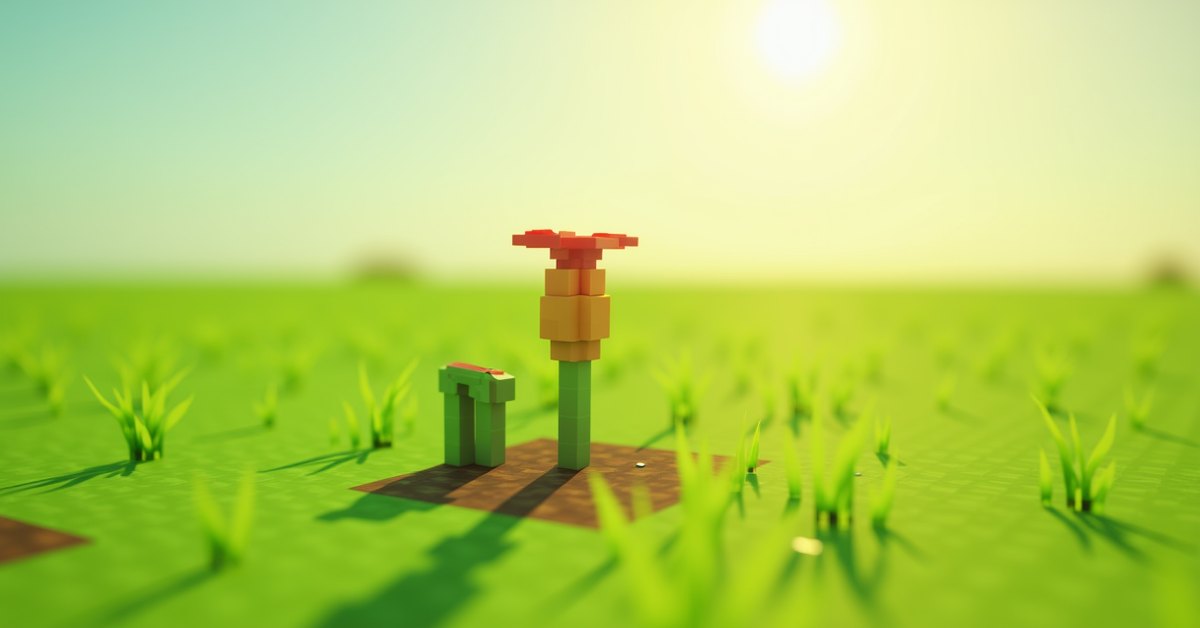
The pitcher plant is a tall flower that stands two blocks high, similar to a sunflower or rose bush. The top block holds the wide, cup-shaped bloom, and the bottom block is the stem. It is a decorative block with no crafting use and no special function in the game.
It arrived with the 1.20 Trails & Tales update, alongside the sniffer and the torchflower. All three are tied together. The sniffer is an ancient mob that digs up seeds from a time before the modern world, and the pitcher plant and torchflower are the two plants those seeds grow into.
Because it is two blocks tall, the pitcher plant cannot be placed in a flower pot. Flower pots only hold single-block plants. If you want a pitcher plant on display, it has to be planted on the ground or placed on a valid block in your build.
Where pitcher pods come from
A pitcher plant starts life as a pitcher pod. The pod is the seed item, and there is exactly one source for it: a sniffer.
The sniffer is a large, friendly mob that walks around sniffing the air and occasionally stopping to dig at the ground. When it digs, it pulls up one of two ancient seeds, either a torchflower seed or a pitcher pod. You cannot control which one you get on any given dig, so collecting pitcher pods takes a few tries.
Getting your first sniffer
Sniffers do not spawn naturally. You start with a sniffer egg, and the egg comes from brushing suspicious sand in a warm ocean ruin. Bring a brush and clear the suspicious sand blocks you find there. One of them can give you a sniffer egg.
Place the egg on a block and wait. It hatches into a baby sniffer, called a snifflet, which grows into an adult over time. Once you have two adults, you can breed them with torchflower seeds, so you only really need to find eggs once.
Letting the sniffer dig
An adult sniffer digs on its own as it wanders. It only digs on natural ground blocks, so it needs the right surface to work. Blocks it will dig on include grass blocks, dirt, coarse dirt, rooted dirt, podzol, mud, moss blocks, and mycelium. If your sniffer is standing on stone or sand, it will not find anything.
A good setup is a fenced pen with a grass or dirt floor. Keep the sniffer inside, let it wander, and pick up the seeds it leaves behind. Each dig drops one seed item on the ground for you to collect.
How to grow a pitcher plant
Once you have a pitcher pod, growing it works much like any other crop, with one big exception.
Till a block of dirt or grass into farmland with a hoe, then plant the pitcher pod on top. The pod becomes a pitcher crop. From there it goes through several growth stages. Early on it is a small sprout that takes up a single block. As it matures it grows to two blocks tall, and at its final stage it becomes a finished pitcher plant.
Like other crops, the pitcher crop grows faster on hydrated farmland, meaning farmland within four blocks of water, and it needs a decent light level to grow at all. Keep it lit and watered and it will get there.
Why bone meal does not work
Here is the exception. Bone meal does not speed up a pitcher crop. The same is true for the torchflower crop. Both of these ancient plants ignore bone meal completely, and the only thing that advances them is time, through the game’s random tick system.
There is no workaround for this. The plant grows slowly and you simply have to wait. Planting several pods at once is the practical fix. If you want a row of pitcher plants, start them all together rather than one at a time.
Harvesting and replanting
What you get when you break a pitcher crop depends on how grown it is.
Break a pitcher crop before it is fully mature and it drops a single pitcher pod. You get your seed back, but nothing extra, so breaking crops early does not multiply your stock. Break a fully grown pitcher plant and it drops itself as a pitcher plant item, which you can carry and place wherever you like.
This means there are two ways to think about a pitcher plant. As a crop, it is a slow plant you grow once. As a decorative block, the finished plant behaves like any other two-block flower: break it, pick it up, and replant it in a build with no farmland or growth needed.
Pitcher plants can also go into a composter. Dropping them in raises the compost level and eventually produces bone meal, the same as other flowers and plants. Given how long they take to grow, though, composting a pitcher plant is rarely worth it.
Tips and common mistakes
A few things trip players up with the pitcher plant.
The most common mistake is reaching for bone meal. It feels like it should work, and it does not. Plan around the slow growth instead of fighting it.
The second is sniffer placement. If your sniffer is penned on the wrong surface, it will wander and sniff but never dig anything useful. Give it grass or dirt to work with.
It also helps to remember that the sniffer digs up torchflower seeds as well as pitcher pods, and you do not get to choose. If you are after pitcher plants specifically, expect a pile of torchflower seeds to build up alongside them. Those seeds are not wasted, since you need torchflower seeds to breed more sniffers.
Finally, do not plant a pitcher pod somewhere cramped. The mature plant needs two blocks of vertical space. If there is a block directly above the crop when it tries to grow tall, it cannot finish.
Frequently asked questions
How do you get a pitcher plant in Minecraft?
You grow it. Get a pitcher pod from a sniffer, plant the pod on farmland, and wait for the crop to mature into a full pitcher plant. There is no way to find one already grown in the world.
Can you use bone meal on a pitcher crop?
No. Bone meal has no effect on a pitcher crop or a torchflower crop. Both grow only through the random tick system, so the plant advances on its own schedule and you cannot rush it.
Where do pitcher pods come from?
Only from sniffers. A sniffer digs up either a pitcher pod or a torchflower seed when it digs on a valid ground block. No other mob, structure, or loot chest provides pitcher pods.
Can a pitcher plant go in a flower pot?
No. The pitcher plant is two blocks tall, and flower pots only hold single-block plants. You can plant it on the ground or place it as a decorative block, but not in a pot.
How long does a pitcher crop take to grow?
Longer than a normal crop. Because bone meal does not work, it relies entirely on random ticks, which makes it one of the slowest plants to raise. Hydrated farmland and good lighting help, but there is no fast option.
Does the pitcher plant do anything useful?
Not in a mechanical sense. It is a decorative block with no crafting recipe and no special ability. Its value is visual, a rare and distinctive flower that not many players have grown.
What is the difference between a pitcher pod and a pitcher plant?
The pitcher pod is the seed you plant. The pitcher crop is the growing stage in the farmland. The pitcher plant is the finished two-block flower. Same plant, three stages.
Is it worth growing?
The pitcher plant will not change how you play. It crafts into nothing and powers nothing. What it offers is rarity. Most worlds never see one, because most players never bother with the sniffer chain. If you already have a sniffer pen running, a few pitcher plants are a quiet way to show it off. If you do not, the plant alone probably is not reason enough to start, though the sniffer makes good company regardless.