What is a ravager in Minecraft?
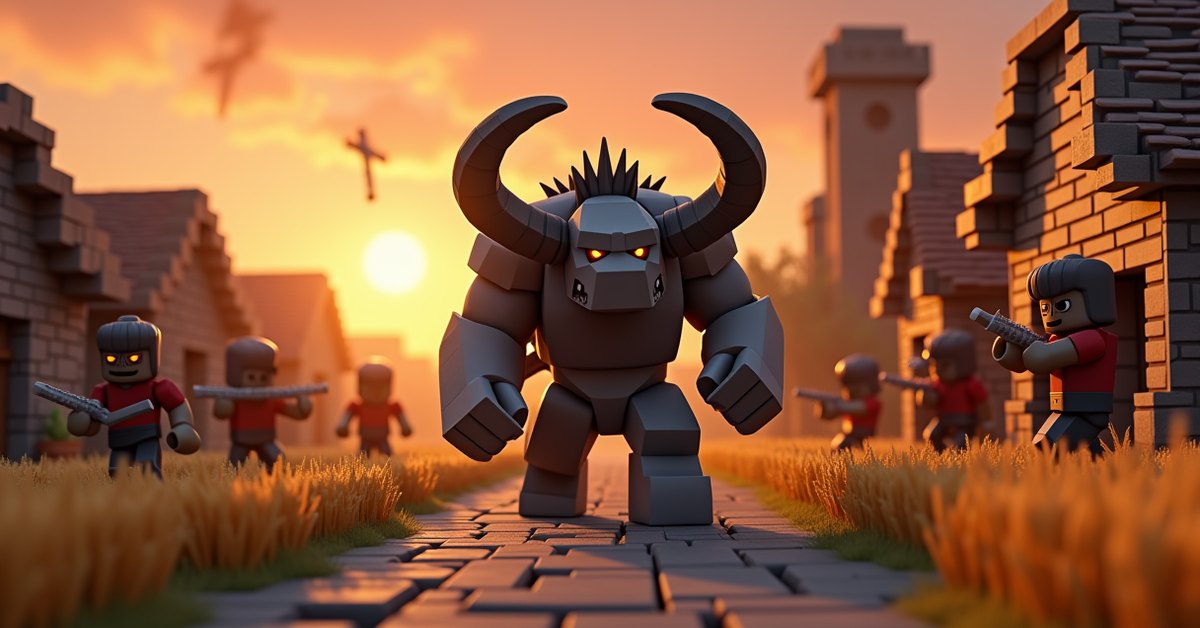
The ravager is the heavy hitter of a Minecraft raid. It’s a large, horned beast that charges into villages alongside pillagers and other illagers, and with 50 hearts of health it can soak up a lot of punishment before it goes down. If a raid is going badly for you, the ravager is usually the reason.
You won’t run into one while exploring. Ravagers only show up as part of a raid, which means you have to trigger the raid yourself before you ever meet one. This guide covers where they come from, what they can do to you and your village, what they drop, and how to take one down without losing your armor in the process.
A ravager looks like a hunched, gray animal with large horns and an oversized head, and it has one of the biggest hitboxes in the game. Where a pillager attacks from range with a crossbow, the ravager closes the distance and hits hard up close. It was added in the Village and Pillage update, version 1.14.
Where ravagers come from
Ravagers don’t spawn naturally anywhere in the world. The only way one appears is during a raid.
A raid starts when a player with the Bad Omen effect enters a village. You get Bad Omen by killing a pillager captain, the pillager that carries an ominous banner on its head. Once you have the effect and step inside a village’s boundary, the raid begins and waves of illagers spawn, ravagers included.
Ravagers don’t appear in the first wave. They start showing up in later waves, and the higher the difficulty and the later the wave, the more of them you can face at once. On Hard difficulty a single raid can throw several ravagers at you near the end.
Ravager riders
During a raid, a riderless ravager can be mounted by an illager. The rider is usually a pillager firing a crossbow, but a vindicator or an evoker can ride one too. A mounted ravager is two threats in one: the ravager charges and bites while the rider attacks over the top of it.
If you kill the rider, the ravager keeps fighting on its own, and another illager may climb on later in the raid. When you’re picking targets, the rider is often worth removing first, since crossbow fire can chip away at you while you’re focused on the beast underneath it.
Ravager stats and attacks
Health and movement
A ravager has 100 health points, which is 50 hearts. That’s the same health pool as an iron golem and far more than almost anything else you’ll fight on the surface. It moves at a steady jog, faster than a zombie but slower than a sprinting player, so you can outrun one in open ground if you need to reset a fight.
The bite attack
Up close, the ravager swings its head to bite. On Normal difficulty this melee hit deals up to 12 damage, which is six full hearts, enough to nearly kill an unarmored player in a single swing. Good armor cuts that down a lot, but the bite is still the main thing that will end your run during a raid.
Stuns and the roar
A shield is your best tool against a ravager. Block its bite and the ravager gets stunned: it freezes for a second or two and can’t attack. When the stun ends, it roars, knocking back and damaging anything close to it. The stun is the opening you want, since it lets you land a few free hits while the ravager can’t fight back. Just be ready for the knockback when it recovers, because the roar can launch you off a wall or straight into the rest of the raid.
What a ravager targets
A ravager goes after players, villagers, iron golems, and wandering traders. During a raid it will hunt down villagers and tear through a town’s population if you don’t stop it, which is part of why losing a raid can wipe out a village you spent hours building up. An iron golem can trade blows with a ravager, but the golem usually loses one on one because of the ravager’s health and the damage it deals.
What a ravager destroys
Ravagers don’t only attack players and villagers. As one moves, it smashes through certain plant blocks, including crops and leaves. A raid with a ravager in it can flatten a village’s farms in seconds. It won’t break solid building blocks like stone or wood, so your walls will hold, but anything growing in the ground is at risk.
What a ravager drops
When you kill a ravager, it always drops one saddle. This is one of the more reliable ways to get a saddle in the game, since you don’t have to fish for one or dig through chest loot. It also drops experience. If you farm raids, the saddles add up fast.
How to beat a ravager
A ravager is a gear check more than a skill check. With weak equipment it will grind you down. With the right setup it’s manageable even in a busy raid.
- Bring a shield and use it. Blocking the bite stuns the ravager and stops the damage that would otherwise kill you.
- Use a strong melee weapon. A diamond or netherite axe deals more per hit than a sword and is great for burst damage during a stun.
- Enchant for damage. Sharpness helps against every raid mob. Smite does nothing here, since ravagers aren’t undead.
- Fight on open, flat ground. The roar’s knockback is far less dangerous when there’s nowhere to be launched off of.
- Use water. Ravagers avoid water and won’t path through it, so a moat or a poured bucket can buy you time or split up a raid.
- Deal with the rider first. If an illager is riding the ravager, it’s attacking you too, so remove it and face one threat at a time.
Should you fight raids for ravagers?
Raids are worth doing for more than the saddle. Winning one gives you the Hero of the Village effect, which lowers villager trade prices for a while and gets you free items tossed your way by grateful villagers. The ravagers are the hardest part of the fight, so once you can beat them reliably, the rest of the raid falls into place.
If you want a steady supply of saddles, a raid farm built around a village is one of the few renewable sources in the game. Each ravager you kill is one guaranteed saddle, and a full raid sends several your way. That turns the ravager from an obstacle into a reward once you have the gear to handle it.
Java and Bedrock differences
The ravager works almost the same on Java and Bedrock. The core behavior, the raid spawning, the stun mechanic, and the saddle drop are all there on both. Exact damage numbers and the precise wave counts in a raid can vary between the two versions and across difficulty levels, so treat the figures here as the Java baseline. The way you fight one, shield up and hitting during the stun on open ground, is the same no matter which version you play.
Frequently asked questions
Can you tame a ravager?
No. Ravagers are always hostile and can’t be tamed, bred, or kept as pets. The saddle they drop hints that you’d want to ride one, but you can’t. The saddle is just loot.
How much health does a ravager have?
A ravager has 100 health points, or 50 hearts. That’s the same as an iron golem, which is why it takes so long to kill one with a weak weapon.
Do ravagers spawn naturally?
No. Ravagers only spawn as part of a raid. If you never trigger a raid, you’ll never see one. There’s no biome or structure where they appear on their own.
What does a ravager drop?
Every ravager drops one saddle when killed, plus some experience. The saddle drop is guaranteed, which makes raids a steady source of saddles.
Why is the ravager stunned when I block it?
Blocking the ravager’s bite with a shield stuns it. This is intended behavior and your main advantage in the fight. Use the stun to land free hits before it recovers and roars.
Can a ravager break my house?
No. Ravagers only destroy plant blocks like crops and leaves as they move. They can’t break stone, wood, or other solid building blocks, so a walled base keeps them out.
Can a ravager swim?
Ravagers avoid deep water and won’t path into it. A water barrier is a reliable way to slow one down or keep it away from your villagers.
If a raid feels impossible, look at your shield first. A ravager you can stun on demand goes from a 50-heart wall to a slow target with a free saddle inside. Trigger a raid on purpose once you have decent armor and a shield, and the ravager becomes one of the better farms in the game.