What a biome is in Minecraft
A biome is a region of the Minecraft world with its own climate, terrain shape, plants, mobs, and color palette. When you walk from a grassy plains into a sandy desert, you have crossed a biome border. The game decides which trees grow, what the grass and water look like, which animals and monsters spawn, and whether it rains or snows based on the biome you are standing in.
Every part of every world belongs to a biome, including the Nether and the End. The world generator stitches hundreds of these regions together to build the terrain you explore. Knowing how biomes work helps you find specific resources, plan a base, and understand why a snow golem melts in one place but survives in another.
This guide covers what defines a biome, the main groups you will run into, what each biome controls, and how to track down the one you need.
What defines a biome
Each biome carries a set of properties that the game reads as you move through the world:
- Temperature, which controls weather and a few surprising mechanics like whether water freezes.
- Terrain shape, from the flat plains to the steep jagged peaks.
- Vegetation, meaning which trees, flowers, grass, and crops generate naturally.
- Block palette, such as sand in deserts, red sand in badlands, or terracotta layers in eroded badlands.
- Mob spawns, since some mobs only appear in certain biomes.
- Colors for grass, leaves, and water, which shift to match the climate.
Temperature does the most work behind the scenes. A value at or below a freezing threshold turns rain into snow and lets water freeze into ice. Warm biomes never see snow at sea level, though tall mountains can still be cold enough for snow to form near the peak.
The three dimensions and their biomes
Biomes exist in all three dimensions, and they look nothing alike.
Overworld
The Overworld holds the largest variety. You get grassland, forests, deserts, jungles, swamps, savannas, badlands, oceans, and snowy regions, plus the mountain and cave biomes added in the Caves and Cliffs update. This is where most of your time goes.
Nether
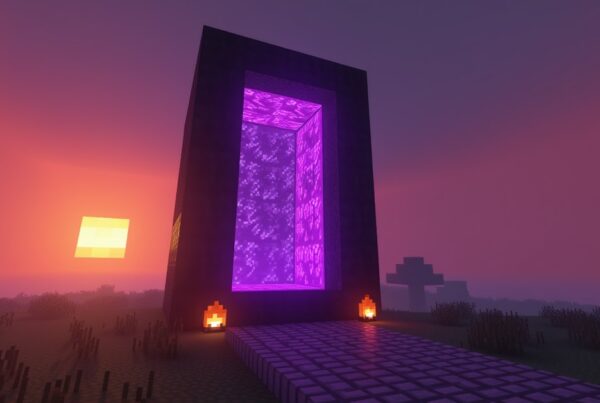
The Nether has five biomes: nether wastes, soul sand valley, crimson forest, warped forest, and basalt deltas. Each one changes the fog color, the mobs, and the blocks underfoot. Piglins wander the crimson forest, while striders ride the lava lakes that cut across every Nether biome.
The End
The End is split into the central island where you fight the ender dragon, plus the outer islands reached through an end gateway. The outer ring breaks into end highlands, end midlands, end barrens, and small end islands. Chorus plants and end cities generate out there.
How Overworld biomes are grouped
The game sorts Overworld biomes by temperature and surroundings. Thinking in groups makes it easier to predict what you will find.
Snowy and cold biomes
Snowy plains, ice spikes, snowy taiga, frozen peaks, and grove biomes sit at the cold end. Rain falls as snow, exposed water freezes, and you can find strays instead of regular skeletons in some of them. Polar bears and foxes live up here.
Temperate biomes
Plains, forest, birch forest, dark forest, swamp, and taiga make up the middle band. These are the friendliest places to start a world. Villages generate in plains, savannas, deserts, taigas, and snowy plains, so a temperate plains start often puts a village within reach.
Warm and dry biomes
Deserts, savannas, and badlands run hot and dry. It never rains in these biomes, which means no thunderstorms and no water spreading on its own. Deserts hide temples and fossils, and badlands are the one place you can find gold ore close to the surface.
Aquatic biomes
Oceans come in warm, lukewarm, cold, and frozen versions, each with a deep variant. Water color and sea life change with temperature. Warm oceans grow coral reefs and host tropical fish, while cold and frozen oceans stay dark and quiet. Ocean monuments generate in deep ocean biomes.
Cave and mountain biomes
The Caves and Cliffs update split caves and mountains into their own biomes instead of treating them as plain terrain.
Underground you can find lush caves, full of moss, glow berries, and axolotls, and dripstone caves, where pointed dripstone hangs from the ceiling and grows over time. The deep dark sits near the bottom of the world, filled with sculk blocks and the ancient city structure, guarded by the blind warden.
On the surface, mountains break into meadow, grove, snowy slopes, jagged peaks, frozen peaks, and stony peaks. Height matters here. The same mountain can show grassy meadow at the base and snow-capped peaks up top, because temperature drops as you climb.
What biomes control
Biomes touch more of the game than first appears.
Mob spawns
Many mobs are tied to biomes. Husks replace zombies in deserts, strays replace skeletons in cold biomes, and mooshrooms only spawn in the rare mushroom fields. Pandas live in jungles, camels in desert villages, and axolotls in lush caves. If you are hunting a specific animal, you are really hunting its biome.
Weather and temperature
Whether it rains, snows, or stays dry depends on biome temperature. Snowy biomes layer snow on the ground and freeze water. Dry biomes never get precipitation at all. This matters for farming, since you cannot let crops rely on rain in a desert.
Colors
Grass and leaves shift from the bright green of a jungle to the olive tone of a swamp to the dull brown of a badlands. Water also recolors: swamp water turns murky green, and warm ocean water glows turquoise. These colors are set by the biome, not by the blocks themselves.
Generated features
Structures follow biome rules. Villages, pillager outposts, desert temples, jungle temples, ocean monuments, woodland mansions, and ancient cities each generate only in certain biomes. Trees, flowers, and even some ores vary too, like the emerald ore that mainly generates in mountain biomes.
How to find a specific biome
If you need a biome you have not seen yet, you have a few options.
The fastest is the /locate biome command, which works in worlds with cheats on. Type the command with the biome ID, for example /locate biome minecraft:jungle, and the game points you toward the nearest one with coordinates and a distance. This will not work on standard survival servers that have cheats off.
Without cheats, exploring is the only way. Biomes generate in fairly large patches, so a long trip in one direction usually crosses several. Boats make ocean crossings quick, and a higher render distance lets you spot a biome on the horizon sooner. Climbing a mountain or a tall tower gives you a wide view to scan for the colors or terrain you want.
Tips and common mistakes
A snow golem melts the moment it walks into a warm or dry biome, so keep one near home only if you live somewhere cool. Plenty of players lose their first snow golem this way without realizing the biome is the cause.
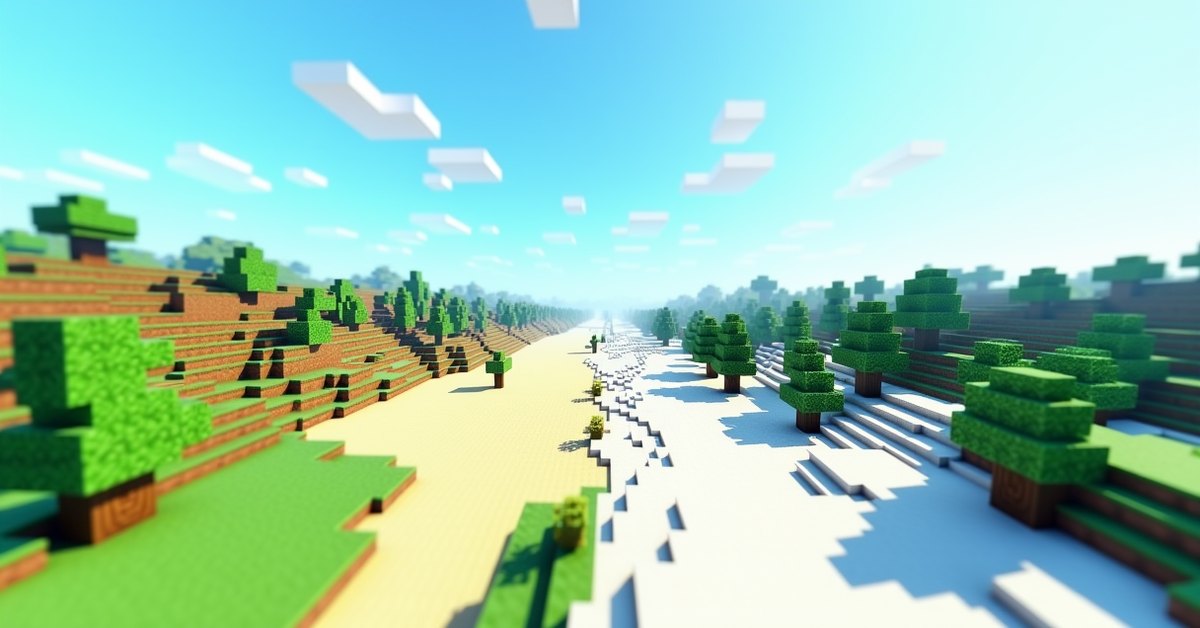
Biome borders can be sharp, which sometimes leaves a desert sitting right against a snowy taiga. The world generator blends terrain height across the seam but not always the climate, so you can stand with one foot in snow and one in sand.
If a farm refuses to grow, check the biome. Crops still grow in deserts as long as you supply water by hand, but a few plants have their own placement rules. And do not expect rain to ever water anything in a dry biome.
Frequently asked questions
How many biomes are in Minecraft?
Recent versions of the game have just over 60 biomes across the Overworld, Nether, and End combined. The exact count shifts a little with each update as new ones get added or existing ones get split apart.
Can you change a biome?
In survival you cannot change which biome a chunk belongs to. The biome is baked into the world when that area first generates. You can change how a place looks by placing blocks, but mob spawns and grass color stay tied to the original biome.
What is the rarest biome?
Mushroom fields are widely considered the rarest Overworld biome. They usually generate as small islands far out in the ocean, away from other land, and they are the only place mooshrooms spawn naturally.
Do biomes affect mob spawning?
Yes. Biome is one of the main factors that decides which mobs appear. Some mobs are locked to a single biome group, and a few biomes, like mushroom fields, block almost all hostile mob spawns.
Why does my water keep freezing?
You are standing in a cold biome with a temperature low enough to freeze exposed water. Place a light source next to the water or build a roof over it to stop ice from forming.
What biome should I start in?
Plains and forest biomes are the easiest starts. You get flat building space, trees nearby, and a decent chance of a village. It helps to get some gear before you push into deep mountains or head for the Nether.
Pulling it together
Once you read the world as a map of biomes rather than a blur of terrain, finding what you need gets much faster. Want diamonds? Head underground almost anywhere. Want emeralds, coral, or a specific mob? Find its biome first, and the rest follows.