What flint and steel is
Flint and steel is a tool you use to start fires. Point it at a block, right-click, and a flame appears on the face you clicked. It is the standard way to light a nether portal, set off TNT, start a campfire, and burn down anything flammable.
It is cheap to make and lasts a long time, so most players craft one early and keep it in a chest for whenever they need a flame. All you need is iron and gravel to build it.
Most players reach for it for one of three jobs: opening the first nether portal, setting off a stack of TNT, or burning out a patch of forest to clear space. It also handles smaller chores like relighting a campfire or a candle. Once you know what catches fire and what doesn’t, it becomes one of the safest fire tools to carry.
How to craft flint and steel
The recipe takes one iron ingot and one piece of flint. Open a crafting table (your 2×2 inventory grid works too, since the recipe is small), place the iron ingot in one slot and the flint in the slot diagonally below and to the right of it. That gives you one flint and steel.
Iron comes from smelting iron ore or raw iron in a furnace. Flint is the part that trips people up, so it gets its own section below.
How to get flint
Flint comes from gravel. When you break a gravel block, it usually drops gravel, but roughly one in ten breaks drops a piece of flint instead. Dig through a big patch of gravel and you will have plenty in a few minutes.
Two things speed this up. A shovel with the Fortune enchantment raises the flint drop rate, and at Fortune III a gravel block almost always gives flint. You can also barter with piglins in the Nether by tossing them gold ingots, since flint is one of the items they sometimes hand back.
Finding it in chests
You don’t always have to craft one. Flint and steel shows up as chest loot in several generated structures, including village weaponsmith and toolsmith chests, nether fortresses, and bastion remnants. Early in a world, a lucky chest can hand you one before you even have spare iron.
How to use flint and steel
Hold the tool and right-click (or use the interact button on console and mobile) on the top or side of a block. A fire lights on that surface. What happens next depends on what you clicked.
Lighting a nether portal
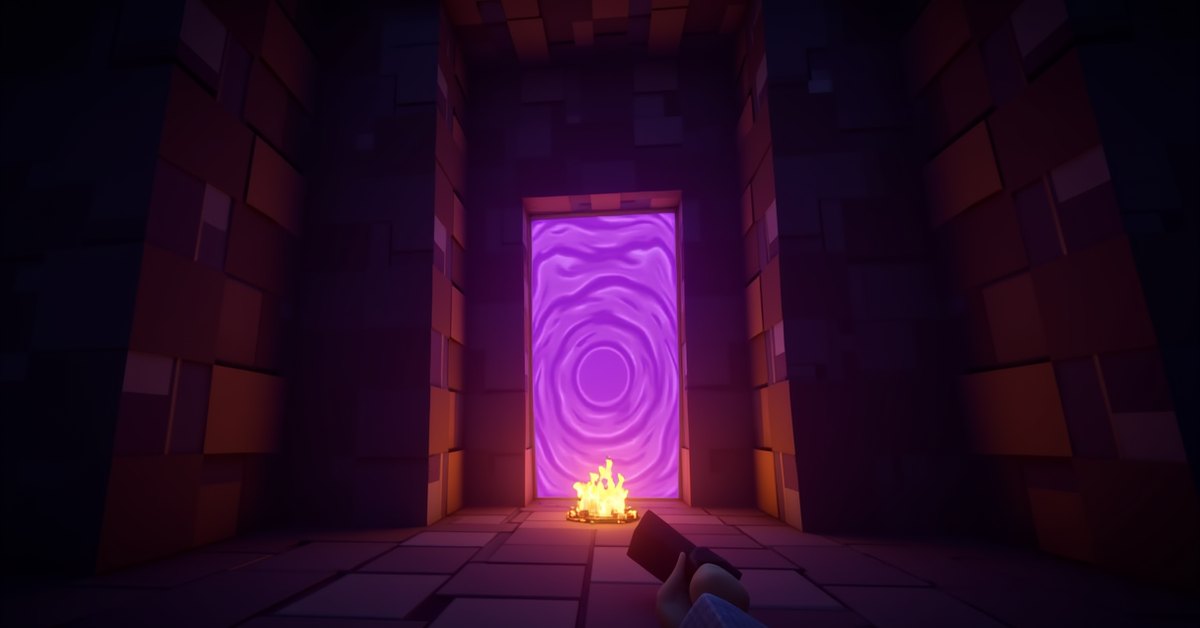
Build a frame of obsidian, at least four blocks wide and five tall, then right-click the inside face of the frame. The empty space fills with the purple portal. You can make the frame bigger, up to 23 by 23, and you can leave the corners out, since the portal only needs the edges. This is the only way to open a nether portal in survival without another fire source, so flint and steel is close to required for a normal playthrough.
Igniting TNT
Right-click a block of TNT with flint and steel and it starts its fuse. After a short blink it explodes. This is the manual way to set off TNT without redstone, handy for quick mining blasts or clearing terrain. Move back before you light it, because the blast radius will reach you at point-blank range.
Starting campfires and candles
A campfire lights when you right-click it with flint and steel, and so does a candle. Both also accept a fire charge, but flint and steel is reusable, so it is the cheaper option if you light a lot of them.
Setting fire to flammable blocks
Wood, planks, wool, leaves, and other flammable blocks catch fire and burn away when you light them, or when fire spreads to them from a nearby flame. This clears a forest fast, but it spreads in every direction, so keep it well away from your wooden base.
How fire behaves once it’s lit
Fire placed on most blocks burns for a few seconds and then goes out, unless it has a flammable block to feed on. Two surfaces hold fire forever: netherrack and magma blocks. A flame on netherrack never burns out on its own, which is why people use a single netherrack block as a permanent decorative fireplace.
Light a fire on soul sand or soul soil and you get soul fire instead, which burns blue. Soul fire deals more damage to anything standing in it, and it is the flame that scares piglins away from an area.
Fire also climbs. When it catches a flammable block, it can jump to flammable blocks next to and above the one that’s burning, which is how a single misplaced flame can take down a whole wooden house. Stone, dirt, and most building blocks won’t carry it, so a stone or cobblestone border around a fire keeps it contained.
Fire also hurts you. Standing in it sets you alight, and the burning continues after you step out until you put it out in water or wait it off. Be careful lighting portals and TNT at close range.
Durability and repairs
Flint and steel has 64 durability, which works out to about 65 uses before it breaks. Each ignition costs one point. Lighting a portal, a campfire, or a block of TNT all count as a single use.
You can stretch that with enchantments. Flint and steel can’t be enchanted at an enchanting table, but you can apply Unbreaking and Mending through an anvil with the right enchanted book. Unbreaking gives each use a chance to cost no durability, and Mending repairs the tool with the experience orbs you pick up. With Mending on it, a single flint and steel can last the rest of a world.
You can also repair a worn flint and steel on an anvil by combining it with a second one. The leftover durability of both carries over into the result, plus a small bonus.
Flint and steel vs. fire charge
A fire charge does almost the same job. You throw or place it to start a fire, light a portal, or set off TNT. The difference is that a fire charge is single-use ammo, while flint and steel is a reusable tool. A fire charge can also be loaded into a dispenser to light fires remotely, which flint and steel can’t do on its own. For everyday use on foot, flint and steel is the better value because it never gets consumed.
Java and Bedrock differences
The tool works the same way in both editions for crafting, lighting portals, and igniting TNT. The main edition quirk is with mobs. You can right-click a creeper with flint and steel to force it into its explosion countdown, which is a fast way to set off a creeper in a controlled gunpowder setup. Outside of that, the durability and the recipe are identical across Java and Bedrock.
Tips and common mistakes
Keep flint and steel out of your hotbar when you’re building with wood. It is easy to misclick and torch a wall you just spent ten minutes placing.
If you only want a light source and not an actual fire, a torch is safer and won’t spread. Save the flint and steel for portals, TNT, and burns you actually mean to start.
Don’t light a nether portal while standing inside the frame unless you’re ready to travel. The portal activates instantly and pulls you to the Nether after a couple of seconds.
Carry a water bucket when you work with fire. One right-click of water puts out a flame on you or on a block before it spreads to something you care about.
Frequently asked questions
How many uses does flint and steel have?
About 65 uses. It has 64 durability and loses one point per ignition, so it breaks after roughly 65 fires unless you add Unbreaking or Mending.
Can you enchant flint and steel?
Not at an enchanting table, but you can put Unbreaking and Mending on it using an anvil and an enchanted book. Both make it last much longer.
How do you get flint?
Break gravel. Each gravel block has about a one in ten chance to drop flint instead of gravel. Fortune raises that chance, and piglin bartering can give flint too.
Can flint and steel light a nether portal?
Yes. Right-click the inside of a completed obsidian frame and the portal activates. It is the standard way to open one in survival.
Does fire from flint and steel spread?
Yes, to flammable blocks like wood, wool, and leaves. On non-flammable blocks the fire burns out after a few seconds, except on netherrack and magma blocks where it stays lit for good.
Can you ignite TNT with flint and steel?
Yes. Right-click a TNT block and its fuse starts. It explodes a moment later, so step back before you light it.
Worth keeping one around
Put Mending on a flint and steel once and you’ll likely never craft another. It opens portals, sets off explosives, and starts any fire you need, all from one iron ingot and a handful of gravel. Store it away from your wooden builds and it will last a whole world.