What cold ocean ruins are
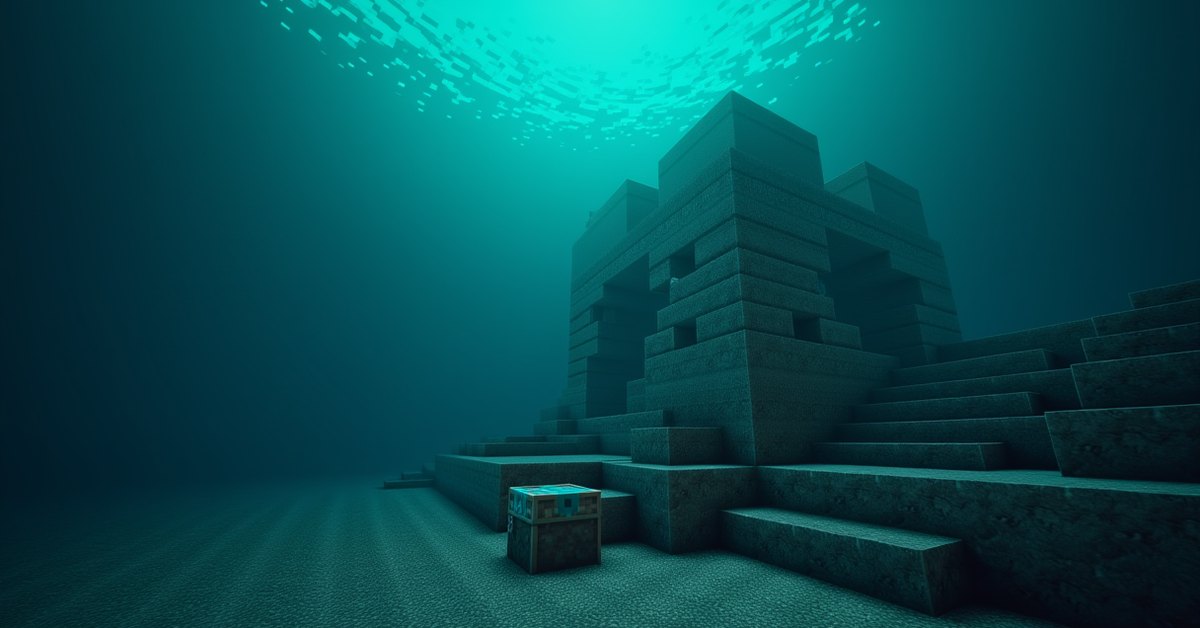
Cold ocean ruins are the broken-down remains of an old underwater settlement, built from stone brick instead of the sandstone you see in warmer seas. They sit on the seafloor in colder ocean biomes, half-swallowed by gravel, and they almost always hide a loot chest somewhere close by.
If you are swimming through a cold, frozen, or regular ocean and spot mossy, cracked blocks poking out of the seabed, you have found one. They are worth a stop. The chests can hold emeralds, enchanted books, and the occasional golden apple, and since the archaeology update you can brush the gravel around them for pottery sherds.
There are two kinds of ocean ruins in the game. The warm version is made of sandstone and shows up in warm and lukewarm oceans. The cold version, covered here, is the stone brick one that generates in the colder half of the map.
Where cold ocean ruins generate
Cold ocean ruins spawn on the floor of the colder ocean biomes: cold ocean, frozen ocean, and the regular (temperate) ocean, plus their deep counterparts. In the deep variants they sit farther down, so the swim to reach them is longer and darker.
Water temperature decides which style you get. Warm and lukewarm oceans produce sandstone ruins. Everything colder produces the stone brick ruins described here. If the water is icy or dotted with drowned, expect the cold type.
They come in two sizes. A small ruin is a single structure, sometimes just a couple of walls and a floor. A large ruin is a cluster of these scattered across the seabed, looking like a flooded village that sank and fell apart. The bigger clusters tend to carry more chests and better rolls, so they reward a longer look.
Depth matters for how you approach one. In a regular ocean the floor is close enough that a single breath can get you down and back. In a deep, cold, or frozen ocean the seabed can sit far below the surface, so you may need to plan a mid-swim air pocket or a potion just to reach the chest and return. Freezing over the surface with ice does not change what is below, so an iced-over frozen ocean still hides the same stone brick ruins underneath.
What blocks make up a cold ocean ruin
The body of a cold ocean ruin is stone brick and its weathered cousins: cracked stone brick and mossy stone brick, along with stone brick stairs and slabs. Gravel, dirt, and sand fill in the floors and pile up around the edges where the structure has settled into the seabed.
That mix is useful on its own. Mossy and cracked stone brick are normally a bit of a chore to make in bulk, so hauling a stack home from a ruin is a cheap way to get weathered building blocks early in a world. Bring a pickaxe if you plan to strip the walls for materials.
Loot: what the chests hold
Every cold ocean ruin generates with at least one loot chest, and larger clusters can have several. The catch is placement. Some chests sit in the open inside a room, but others are buried a block or two under the floor near the structure, with no marker above them. If a ruin looks empty, dig around the base and under the gravel before you give up.
The loot pool leans toward early and mid-game supplies. Common pulls include wheat, coal, gold nuggets, and emeralds. You can also find leather armor, enchanted books, and an enchanted fishing rod, with a golden apple showing up as a rarer reward in the bigger ruins.
Some chests also hold a buried treasure map, the same item you get from shipwrecks. It marks a buried treasure chest on your map with a red X, and that chest is where the heart of the sea for a conduit comes from. Grabbing a map turns one ocean ruin into the start of a longer treasure hunt.
It is worth clearing every chest in a large cluster rather than stopping at the first one. Each chest rolls its loot on its own, so a second or third chest in the same ruin can hand you the golden apple or the treasure map that the first one missed. The supplies are not the reason most players stop by, but a stack of free wheat and coal early in a world is genuinely handy, and the emeralds go straight into villager trades once you have a trading hall running.
Brushing suspicious gravel for archaeology loot
Since the Trails and Tales update, cold ocean ruins generate blocks of suspicious gravel mixed into the structure. The warm ruins use suspicious sand for the same purpose; the cold ones use gravel.
You dig these out with a brush rather than a pickaxe. Hold the brush against the block and keep the button down, and the item inside slowly works its way loose without breaking the block. Let go too early, or hit it with a normal tool, and the suspicious gravel just breaks into plain gravel and you lose the item.
What comes out is a mix of ordinary supplies and pottery sherds. The sherds are the reason to bother, since you use them to craft decorated pots with custom faces. Working underwater makes this slower than brushing a desert site, so a water breathing potion helps a lot here.
Drowned and other dangers
Drowned spawn in and around ocean ruins more often than in open water, and some of them carry a trident or a nautilus shell. A trident drowned can hit you from range while you are trying to loot, which is the main reason ruins feel more dangerous than they look.
The other threat is the water itself. Cold and deep oceans are dark near the floor, your air runs down while you dig for buried chests, and it is easy to get cornered by a mob in low visibility. Plan your air and your exit before you commit to a ruin, especially a deep one.
Tips for finding and looting ruins
Scan from a boat first. In clear water you can spot the dark shapes of a ruin from the surface, which saves you diving blind. Once you mark one, these help:
- Bring a brush for the suspicious gravel and a shovel for digging out buried chests.
- Drink a water breathing potion, or wear a helmet with Respiration and Aqua Affinity, so you can work the floor without racing the clock.
- Depth Strider boots make it far easier to move and dodge drowned down there.
- Use glowstone or a jack o’lantern for light, since torches will not place underwater.
- Note the coordinates before you leave if you pull a buried treasure map, so you can line up the treasure dig later.
Cold ocean ruins vs warm ocean ruins
The two ruin types work the same way and share a similar loot table. The visible difference is the material. Warm and lukewarm oceans give you sandstone ruins with suspicious sand, while cold, frozen, and regular oceans give you stone brick ruins with suspicious gravel. If you want sandstone or sand blocks, head for warm water; if you want stone brick or gravel, stay cold.
Frequently asked questions
Do cold ocean ruins always have a chest?
Almost always, but the chest is not always in plain sight. Many ruins bury their chest a block or two under the floor near the walls, so dig around the base if you do not see one right away. Larger ruin clusters can carry more than one.
What biomes have cold ocean ruins?
Cold ocean, frozen ocean, and the regular temperate ocean, plus their deep variants. Warm and lukewarm oceans produce the sandstone version instead.
Can you get pottery sherds from cold ocean ruins?
Yes. Brush the suspicious gravel blocks in the ruin with a brush and some will drop pottery sherds, which you can use to make decorated pots.
Do ocean ruins give buried treasure maps?
Some of their chests do. The map marks a buried treasure chest with a red X, and that chest is a reliable source of a heart of the sea for building a conduit.
Are cold ocean ruins dangerous?
Mostly from drowned, which spawn around ruins and sometimes throw tridents. The bigger risk on a long dive is running out of air while you search for buried loot, so bring water breathing or Respiration.
What tool breaks the stone brick in a ruin fastest?
A pickaxe. Stone brick and its cracked and mossy variants all mine fastest with a pickaxe, and you keep the block to build with.
Worth the detour
A cold ocean ruin is one of the friendlier structures to raid early on: no boss, no puzzle, just a loot chest and some gravel to brush. If you pull a buried treasure map out of one, treat that as the real prize and chase the X, since the heart of the sea waiting at the other end is what turns a casual dive into a conduit project.